What do you mean by livestock ; livestock plays a vital role in agriculture and the global economy. It refers to domesticated animals raised by humans for various purposes such as food production, labor, fiber, and other agricultural products. Livestock farming has been practiced for thousands of years and remains one of the most important sectors of agriculture worldwide. Animals such as cattle, buffaloes, sheep, goats, pigs, poultry, and horses contribute significantly to food security, rural livelihoods, and economic development.
As the world’s population continues to grow, the demand for animal products such as meat, milk, eggs, and wool is increasing. Efficient livestock management has become essential for meeting these demands while ensuring animal welfare and environmental sustainability.
What is Livestock?
Livestock refers to domesticated animals that are raised in an agricultural setting to produce commodities and services. These animals are carefully bred, managed, and maintained by farmers to provide valuable products and income.

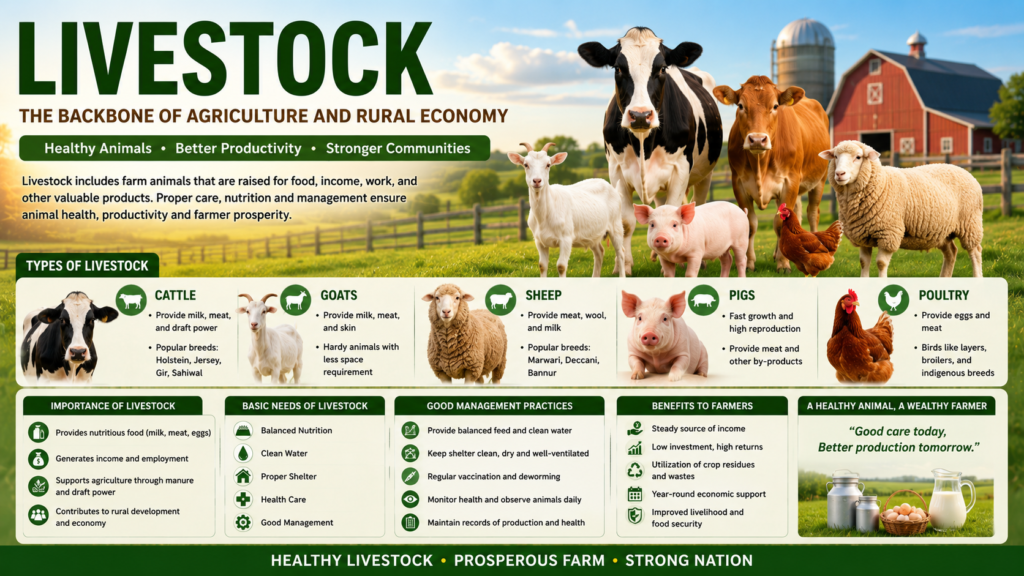
Livestock farming is an important component of mixed farming systems where crop production and animal husbandry work together. Animals provide manure for crops, while crop residues can be used as animal feed.
Major Types of Livestock
1. Cattle
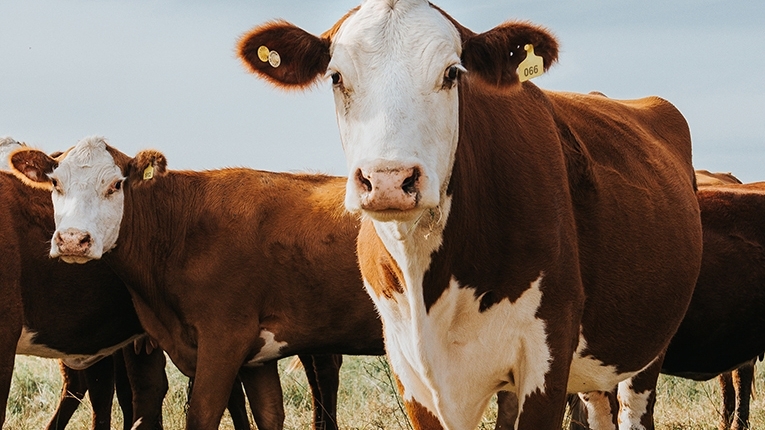
Cattle are among the most important livestock animals worldwide. They are raised for milk, meat, leather, and draft power. Dairy cattle produce milk and dairy products, while beef cattle are raised primarily for meat production.

2. Buffaloes
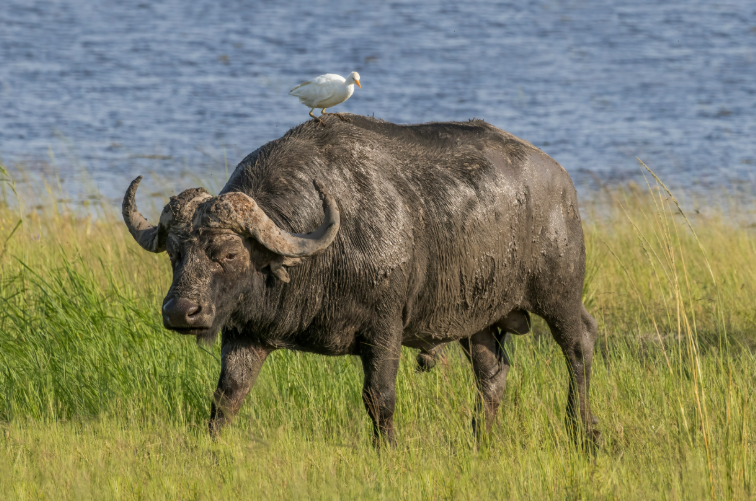
Buffaloes are commonly raised in many Asian countries. They provide milk, meat, and labor for agricultural operations. Buffalo milk contains higher fat content than cow milk, making it valuable for dairy processing.

3. Sheep
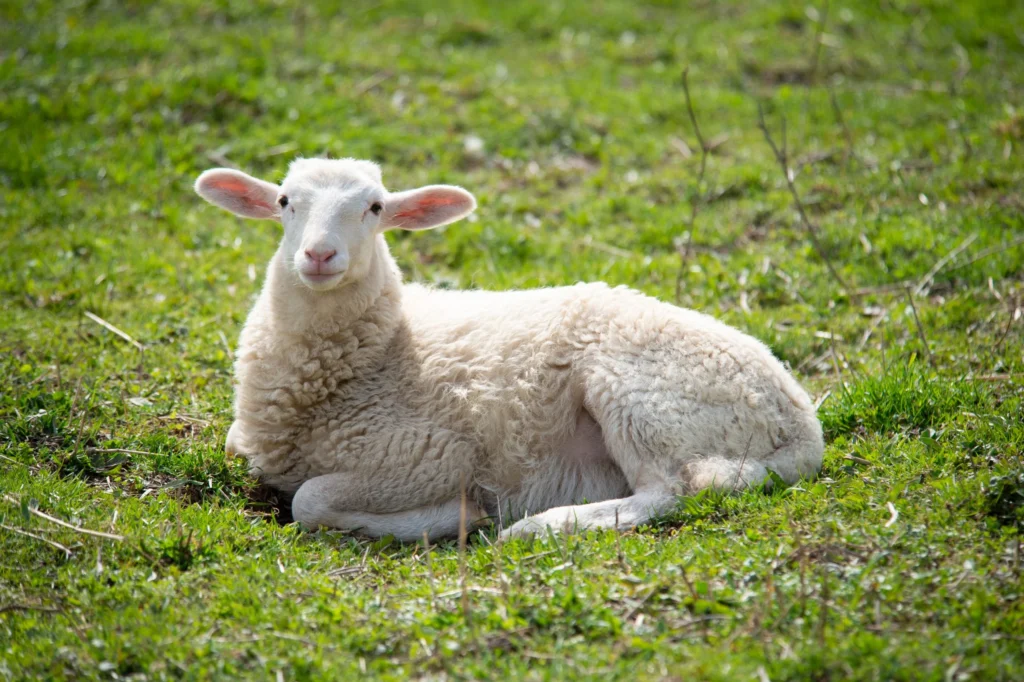
Sheep are mainly raised for wool, meat, and milk. They are adaptable to various climatic conditions and can graze on land unsuitable for crop cultivation.

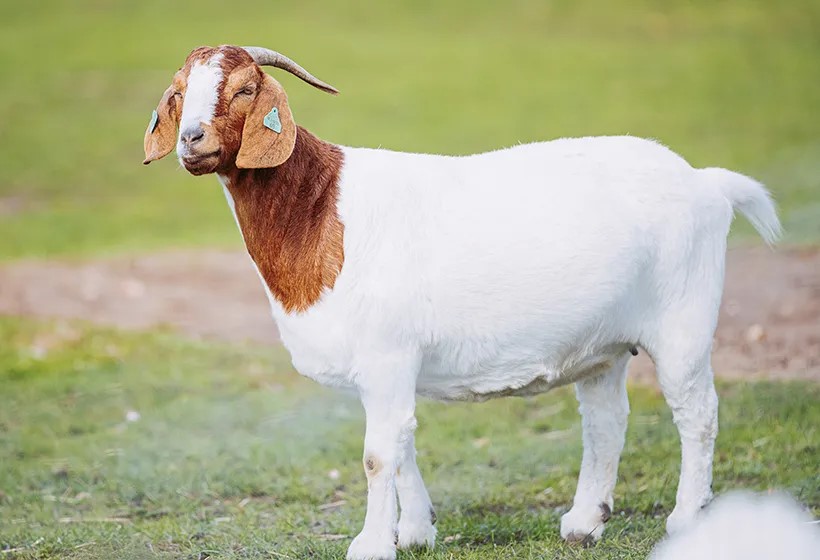
4. Goats
Goats are known for their ability to survive in harsh environments. They provide meat, milk, fiber, and skin. Goat farming requires relatively low investment and is popular among small-scale farmers.

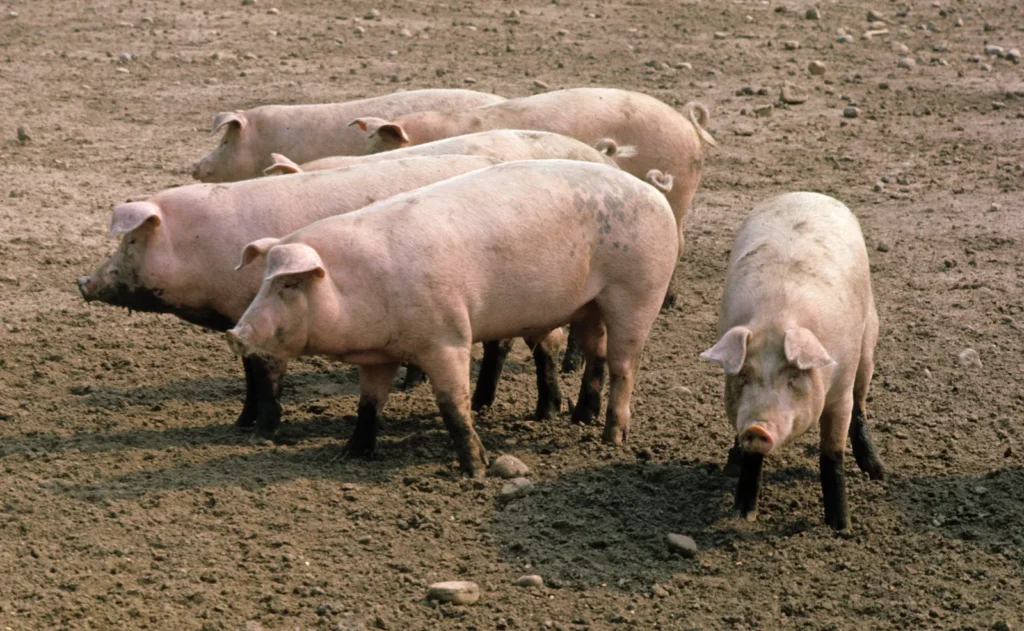
5. Pigs
Pig farming is an important source of meat production worldwide. Pigs have high growth rates and excellent feed conversion efficiency, making them profitable livestock animals. What do you mean by livestock?

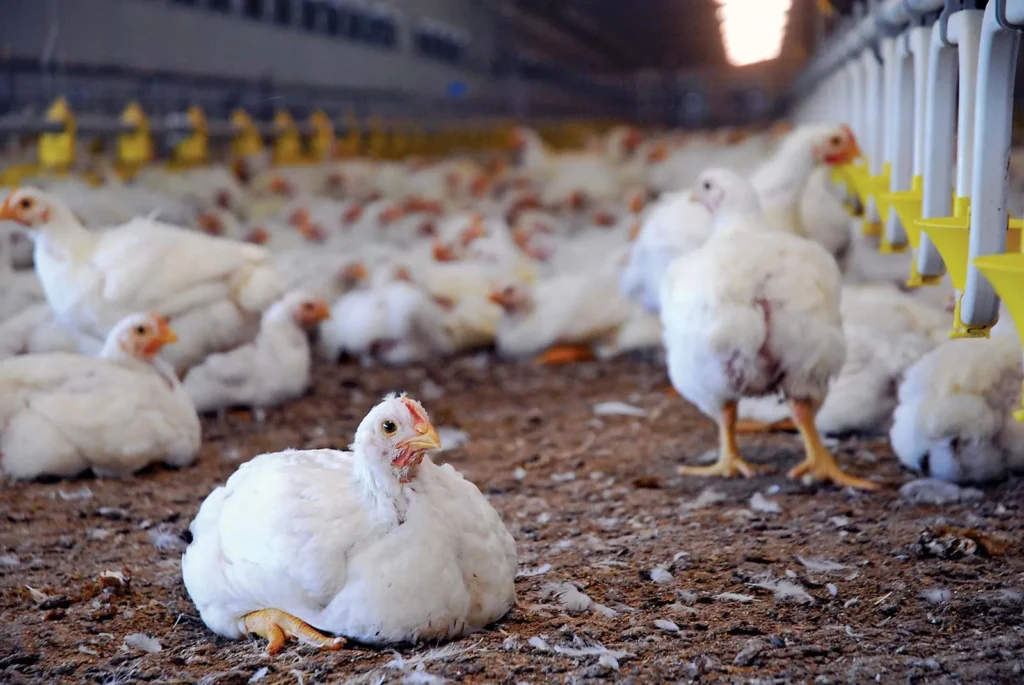
6. Poultry
Poultry includes chickens, ducks, turkeys, and other birds raised for meat and eggs. Poultry farming is one of the fastest-growing agricultural sectors because of its relatively low investment and quick returns.

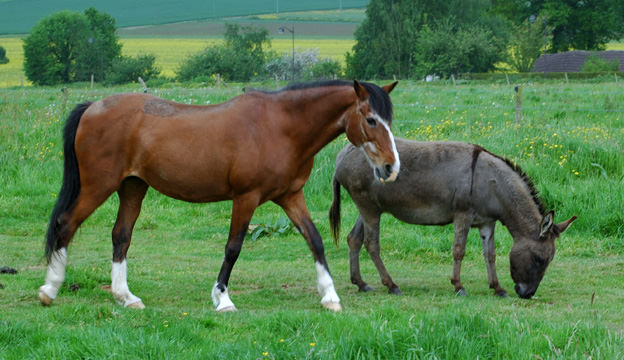
7. Horses and Donkeys
These animals are often used for transportation, farming operations, and recreational purposes. In many rural areas, they continue to provide valuable labor and mobility.

Importance of Livestock Farming
Food Production
Livestock provides essential food products such as milk, meat, eggs, and dairy products. These foods are rich sources of protein, vitamins, and minerals that contribute to human nutrition and health. What do you mean by livestock?
Employment Generation
Millions of people around the world depend on livestock farming for their livelihood. Farmers, veterinarians, feed suppliers, transporters, and processors all benefit from the livestock industry.
Economic Contribution
Livestock contributes significantly to national economies through production, trade, exports, and employment. In many developing countries, livestock represents a major source of agricultural income. What do you mean by livestock?
Soil Fertility Improvement
Animal manure is a valuable organic fertilizer that improves soil structure and fertility. It helps increase crop productivity while reducing dependence on chemical fertilizers.
Risk Management for Farmers
Livestock serves as a financial asset for many rural households. Farmers can sell animals during emergencies, making livestock an important source of economic security. What do you mean by livestock?
Livestock Housing Management
Proper housing is essential for maintaining healthy and productive animals. Good housing protects livestock from extreme weather conditions, predators, and diseases.
Key features of a good livestock shelter include:
- Adequate ventilation
- Clean drinking water
- Proper drainage
- Sufficient space
- Protection from heat, cold, and rain
- Easy cleaning and maintenance
Comfortable housing improves animal welfare and productivity. What do you mean by livestock?
Feeding and Nutrition
Balanced nutrition is one of the most important factors affecting livestock performance. Animals require energy, protein, vitamins, minerals, and water for growth, reproduction, and production.
Common livestock feeds include:
- Green fodder
- Dry fodder
- Silage
- Grains
- Oilseed cakes
- Mineral supplements
Providing high-quality feed ensures better growth, milk production, reproduction, and disease resistance.
Clean water should always be available because water is essential for digestion, metabolism, and overall health. What do you mean by livestock?
Health Management
Disease prevention is crucial for successful livestock farming. Farmers should follow proper health management practices to maintain healthy animals and prevent economic losses.
Important health measures include:
- Regular vaccination
- Deworming programs
- Routine veterinary checkups
- Proper sanitation
- Isolation of sick animals
- Pest and parasite control
Early disease detection and treatment help reduce mortality and improve productivity.
What do you mean by livestock? : Breeding and Reproduction
Selective breeding is used to improve livestock productivity and performance. Farmers choose animals with desirable traits such as high milk yield, rapid growth, disease resistance, and reproductive efficiency.
Modern breeding techniques include:
- Artificial insemination
- Embryo transfer
- Genetic selection
- Performance testing
Improved breeding programs help increase production and profitability. What do you mean by livestock?
Sustainable Livestock Farming
Sustainable livestock farming aims to balance production with environmental protection and animal welfare. Responsible farming practices help reduce environmental impacts while maintaining productivity.
Sustainable practices include:
- Efficient feed utilization
- Proper manure management
- Rotational grazing
- Water conservation
- Renewable energy use
- Improved animal welfare
These practices support long-term agricultural sustainability and resource conservation. What do you mean by livestock?
Challenges in Livestock Farming
Despite its benefits, livestock farming faces several challenges:
Disease Outbreaks
Animal diseases can spread rapidly and cause significant economic losses. Effective biosecurity measures are essential.
Feed Shortages
Rising feed costs and limited availability of quality fodder can affect livestock productivity.
Climate Change
Extreme weather events, droughts, and temperature fluctuations can impact animal health and production.
Market Fluctuations
Changes in market prices for meat, milk, and feed can influence farm profitability.
Environmental Concerns
Livestock production can contribute to greenhouse gas emissions and environmental degradation if not managed responsibly. What do you mean by livestock?
Future of Livestock Farming
The future of livestock farming is increasingly influenced by technology and innovation. Precision livestock farming uses sensors, automation, and data analysis to improve animal management and productivity.
Modern technologies include:
- Automated feeding systems
- Health monitoring sensors
- GPS tracking
- Artificial intelligence
- Smart farm management software
These innovations help farmers improve efficiency, animal welfare, and profitability while reducing environmental impacts. What do you mean by livestock?
Conclusion
Livestock farming remains one of the most important sectors of agriculture worldwide. It provides food, employment, income, and valuable agricultural products that support millions of people. Proper livestock management, including nutrition, housing, health care, and breeding, is essential for maximizing productivity and sustainability. As technology continues to advance, livestock farming is becoming more efficient and environmentally responsible. With good management practices and sustainable approaches, livestock will continue to play a crucial role in global food security and economic development for generations to come.